Make the Most of Your Space: The Definitive Guide to Choosing the Right Storage Shed
Picking the right storage shed is essential for enhancing outdoor space efficiently. It demands careful assessment of individual needs, available space, and suitable materials. A well-chosen shed not only fulfills functional needs but also elevates the overall appeal of a home. Navigating these factors can be complex. What features will truly stand out? Exploring these questions can lead to a more efficient and rewarding outdoor space.
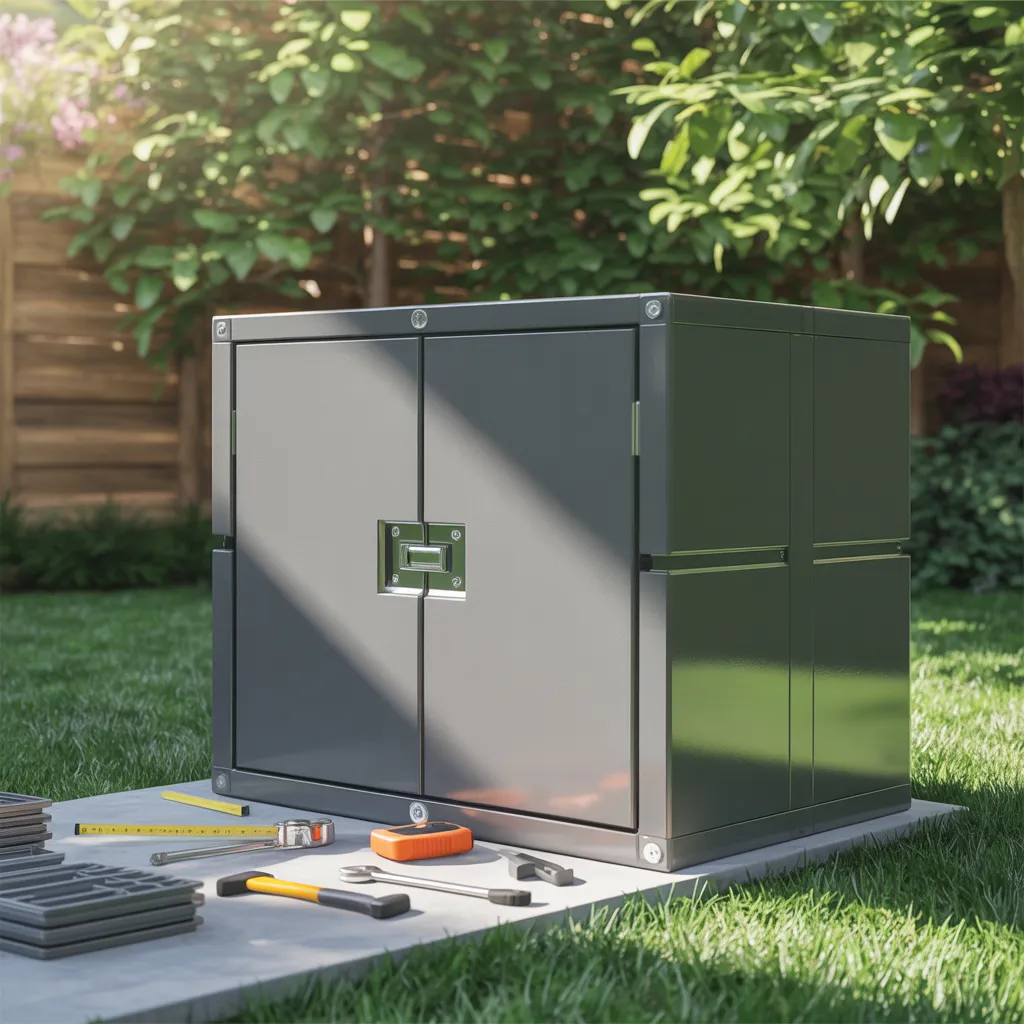
Why Do You Need a Storage Shed?
When contemplating the acquisition of a storage shed, one might consider what exact purposes it will serve. Determining these requirements is crucial for making an informed decision. Many homeowners seek extra space for landscaping tools, exterior gear, or seasonal decor. A outdoor shed can also function as a dedicated hobby space, creating a private spot for carpentry or creative projects.
Certain people may look for a shed to keep bicycles, lawnmowers, or pool supplies, keeping these belongings safe from weather conditions. Furthermore, for pet owners, a shed can serve as a secure area for animal accessories or a comfortable haven for pets.
In the end, knowing the primary purpose of the shed will inform the choosing process. Carefully assessing requirements allows for a more customized and practical choice, guaranteeing the shed successfully improves organization and maximizes usable space throughout the yard and garden.
How Much Space Do You Need?
Establishing the appropriate dimensions for a storage shed starts with evaluating your unique storage needs. Understanding what items will be stored and evaluating the available space are important considerations in this endeavor. In addition, employing practical measuring methods can help secure a practical placement within the selected space.
Assessing Your Storage Needs
How does one properly determine their storage requirements? The first step involves creating an inventory of belongings that require storage. These may consist of seasonal items, tools, outdoor gear, and additional belongings that lack space inside the house. Sorting items based on their dimensions and how frequently they are accessed can provide greater clarity on what is required.
Next, consider the future; anticipating future purchases can help avoid underestimating space requirements. Furthermore, individuals should assess whether they require dedicated storage shelves, work areas, or open floor areas for bigger belongings.
Ultimately, it is critical to factor in accessibility. Guaranteeing that commonly used matching information items are conveniently accessible can affect the general size and layout of the storage unit. By carefully evaluating these factors, one can form sound judgments about the right storage shed.
Techniques for Measuring Available Space
To accurately measure available space for a storage shed, homeowners must begin by evaluating their outdoor space and identifying any physical limitations, including property boundaries, trees, or pre-existing structures. Next, using a tape measure, they should determine the dimensions of the desired placement area, making sure to account for any necessary clearance around the shed for accessibility and ventilation. It is also advisable to visualize the shed's footprint, either with stakes or chalk, to confirm the fit within the designated space. Additionally, considering local zoning regulations may influence the shed's placement and size. Ultimately, a thorough measurement process guarantees that the selected storage shed will seamlessly integrate into the outdoor environment while maximizing functional use.
What Materials Should You Consider for Your Shed?
When selecting a storage shed, the type of materials greatly impacts aesthetics, durability, and maintenance. Common materials include wood, metal, and plastic, with each providing unique benefits.
Wooden sheds provide a classic look and allow for easy personalization but require regular maintenance to prevent rot and pests. Metal sheds, typically constructed from galvanized steel or aluminum, are robust and resistant to weather but might develop rust without adequate treatment. They typically require minimal upkeep.
Plastic sheds, manufactured from durable resin or high-density polyethylene materials, are lightweight, highly resistant to rot and decay, and largely maintenance-free, making them an ideal choice for individuals who prioritize convenience.
Ultimately, the decision should consider one's own preferences when it comes to aesthetic style, ongoing maintenance requirements, and the planned use of the shed. Every material offers its own distinct advantages, making it important to consider your specific needs before committing to a final selection.
How to Coordinate Your Shed Style With Your Home
Selecting a storage shed that matches the design of a home improves both practicality and visual charm. To accomplish this goal, homeowners should begin by evaluating the architectural characteristics of their property. As an illustration, a contemporary home might look great alongside a clean, minimalist shed, whereas a classic house may be better suited to a timeless wooden shed with ornate trim.
Color coordination is also essential; matching the shed's hue to the home's exterior can create a cohesive look. Residents should also factor in their yard's layout; blending the shed with the property's natural surroundings will elevate its overall attractiveness.
In addition, the storage shed's scale should complement the scale of the house and surrounding structures, ensuring it doesn't overwhelm or underwhelm. Ultimately, the objective is to create a balanced connection between the outbuilding and the house, improving the general aesthetic appeal while offering sufficient space for storage.
What Budget Should You Set for Your Shed?
Establishing a budget for a storage shed requires careful consideration of several factors. Key elements like material, size, and design have a major effect on the total cost. Understanding these components plays a vital role in developing an accurate budget that aligns with both requirements and preferences.
Establish Shed Size
How does someone determine the proper storage shed size while being mindful of costs? The initial step requires examining the purpose the shed will serve. Identifying whether it will store larger equipment, gardening tools, or outdoor furniture can impact the required dimensions. Following this, it is critical to evaluate the space available in the yard, making sure there is sufficient room for the shed while keeping local zoning regulations in mind. Financial limitations also play an important role; larger sheds generally require more investment. Consequently, prioritizing needs over wants can assist in reaching a cost-effective decision. Moreover, planning for future storage needs can avoid the need for an additional purchase, ultimately saving money in the long run.
Material and Design Costs
What elements should someone take into account when calculating material and design costs for a outdoor storage structure? Initially, the selection of materials greatly influences the overall cost. Common options include plastic, wood, and metal, each varying in price and durability. Additionally, the complexity of the shed's design—like the style of roofing and incorporation of windows—could impact the total expenditure. Workforce costs should equally be considered, particularly when dealing with custom designs or expert installations. In addition, regional construction codes could mandate permits, contributing to the overall expense. It is advisable to research and compare prices from various suppliers and contractors in order to secure the most competitive rate. At the conclusion of the process, a carefully structured budget addressing each of these factors can help one make an informed decision when investing in a storage shed.
Essential Features for Your Perfect Storage Shed
Selecting the right storage shed means assessing a number of critical elements that can enhance performance and longevity. To begin with, proper air circulation is critical to minimize moisture accumulation and safeguard stored items. Built-in shelving and organizational systems maximize available space, allowing easy access to tools and equipment. In addition, a sturdy security lock is critical for protecting prized possessions.
A durable foundation, crafted from either concrete or wood, ensures stability and durability, while weatherproof materials provide reliable protection against harsh weather. Plan the size thoughtfully; it should accommodate current needs with room for future expansion. Windows that let in natural light may boost visibility, making it simpler to locate items.
As a final consideration, visual appeal deserves careful attention. Choosing a style that complements the property and landscape can enhance overall property value. Through including these key qualities, homeowners can find a garden shed that meets both practical and personal requirements.
Commonly Asked Questions
Where Should You Place a Storage Shed for Best Results?
The best spots for positioning a storage shed feature even, moisture-free zones free from surrounding trees, ensuring sunlight exposure and accessibility. Nearness to your residence increases usability, while complying with regional guidelines and lot boundaries is necessary.
How Can I Keep My Storage Shed in Good Condition Over Time?
Proper maintenance of a storage shed requires assessing for damage, clearing debris, monitoring for leaks, and treating wooden surfaces with protective finishes. Ensuring proper ventilation prevents mold, while routine organization keeps contents accessible and tidy.
Can I Customize My Storage Shed?
Yes, storage sheds can be customized in various ways. Property owners have the option to pick from various materials, finishes, sizes, and interior arrangements to match their preferences, guaranteeing the shed suits their property aesthetically and addresses their unique storage requirements.
What Permits Are Required for Building a Shed?
Local regulations typically dictate that building permits might be necessary for outdoor sheds. Property owners ought to review zoning ordinances, height limitations, and property boundaries, confirming adherence to regulations to avoid penalties or the potential dismantling of the shed.
How Do I Keep My Storage Shed Safe From Thieves?
To secure a storage shed from theft, it is advisable to mount robust locking mechanisms, employ motion-triggered lights, reinforce doors and windows, install a surveillance camera, and keep an unobstructed sightline to the shed from the home.